
Road Traffic Accidents Claims – Ireland
At Hanahoe & Hanahoe LLP, our road traffic accident solicitors represent drivers, passengers, cyclists, motorcyclists and pedestrians who have been injured in road traffic accidents.
Whether you were involved in a rear end collision, junction accident, hit and run or a collision involving a commercial vehicle, we can investigate the circumstances, gather the necessary evidence and advise whether there may be grounds to pursue a road traffic accident claim.
Road Traffic Accident Claims
Our road traffic accident solicitors advise individuals who have suffered injuries in road traffic accidents and guide clients through every stage of the claims process. We act for clients throughout Ireland from our offices in Dublin, Naas, Maynooth and Portlaoise.
We regularly advise on claims involving:
- Car accidents
- Rear end collisions
- Motorcycle accidents
- Bicycle accidents
- Pedestrian accidents
- Commercial vehicle collisions
- Passenger injury claims
- Uninsured and untraced driver claims
Consultations can take place in person, by telephone or remotely.


What Is a Road Traffic Accident Claim?
If you have been injured in a road traffic accident that was not your fault, you may be entitled to bring a claim for compensation.
Road traffic accidents can have a significant impact on your health, finances and day to day life. Depending on the circumstances, compensation may be available for your injuries, medical expenses, loss of earnings and any future treatment or care you require as a result of the accident.
Establishing Responsibility
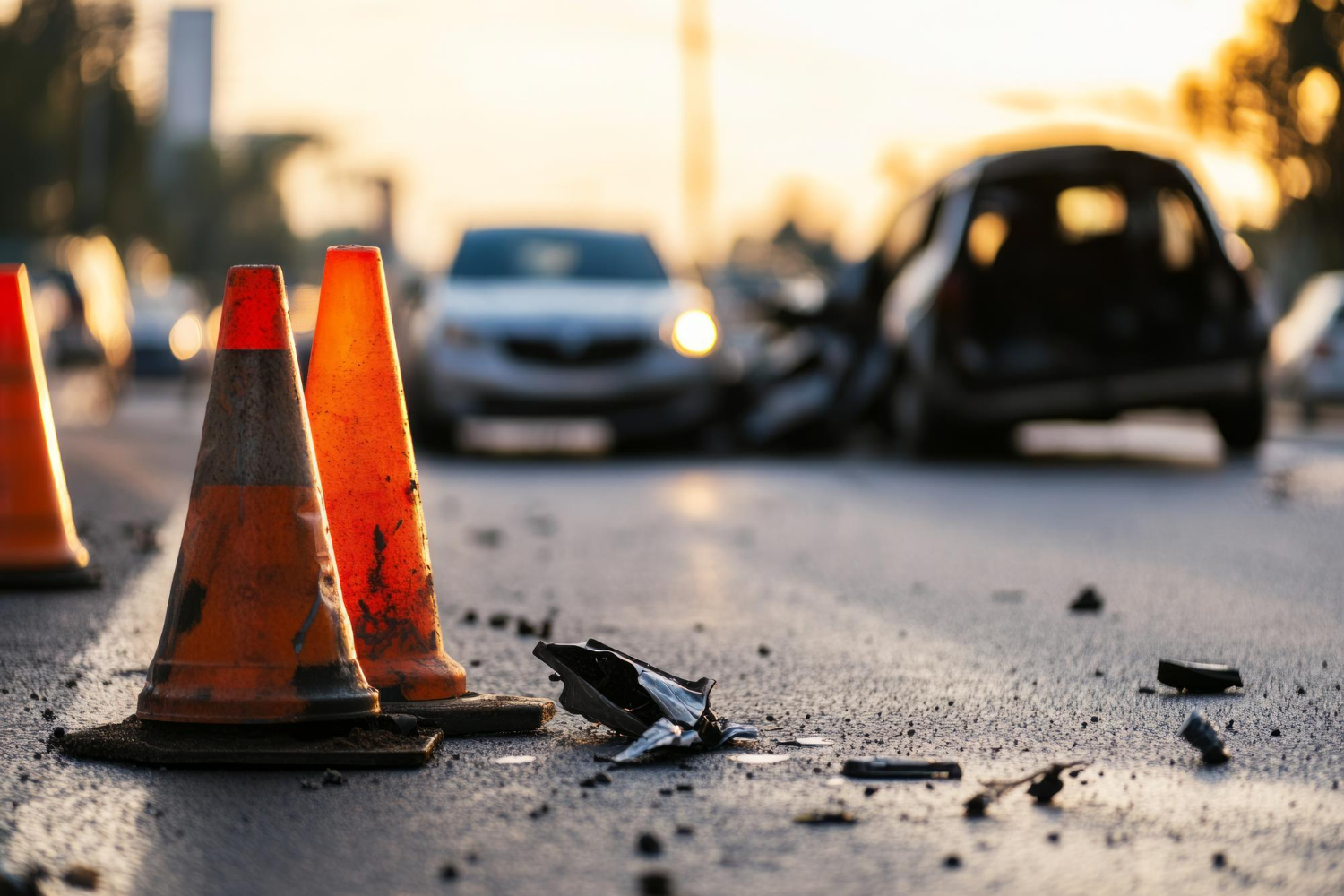
One of the first steps in any road traffic accident claim is establishing how the accident occurred and who was responsible.
Evidence can play an important role and may include:
- Garda reports
- Witness statements
- Dashcam footage
- CCTV recordings
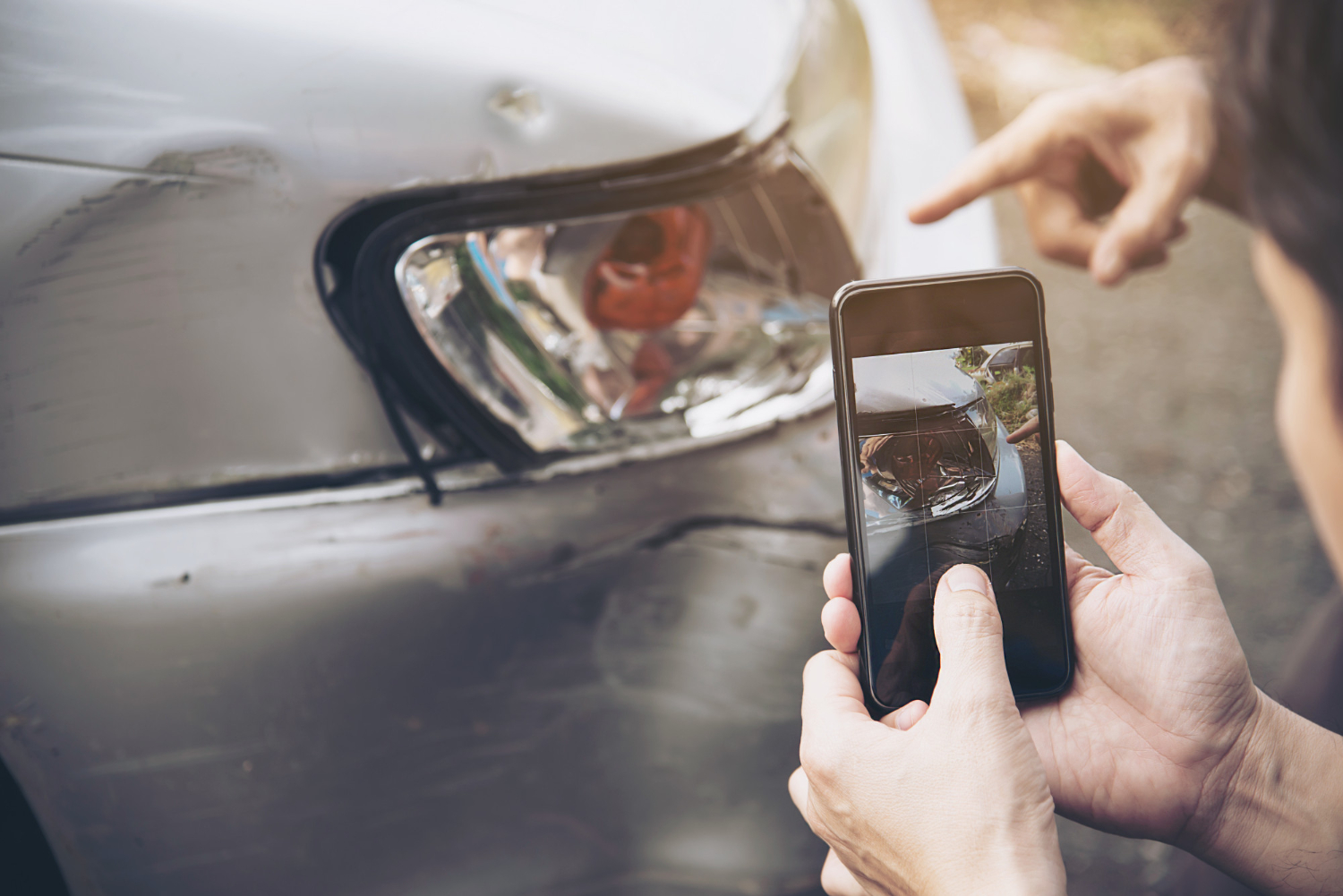
- Photographs of the accident scene and vehicle damage
- Medical records.
The sooner evidence is gathered, the easier it can be to investigate the circumstances of the accident. Our road traffic accident solicitors can assist in obtaining and reviewing the relevant evidence when assessing a potential claim.
What To Do Following a Road Traffic Accident
If you have been involved in a road traffic accident, it is important to prioritise your health and, where possible, gather information about the incident.
Helpful steps may include:
- Seeking medical attention
- Exchanging contact and insurance details
- Taking photographs of the scene and vehicle damage
- Getting witness details
- Reporting the accident where appropriate
Medical attention should be sought even where injuries initially appear minor, as symptoms can develop in the days following an accident.
Why Choose Hanahoe & Hanahoe LLP?
Hanahoe & Hanahoe LLP has represented injured clients throughout Ireland for more than 40 years.
Clients choose our firm because of:
- Offices in Dublin, Naas, Maynooth and Portlaoise
- Representation of clients throughout County Kildare and across Ireland
- Extensive experience handling road traffic accident litigation
- A practical and straightforward approach to legal advice
- Direct access to experienced solicitors
- Consultations available in person, by telephone and remotely
Every case is assessed on its individual facts, evidence and medical documentation.

Speak to a Specialist Personal Injury Solicitor
Specialist solicitors are best placed to give you legal advice on liability, the appropriate defendants, the statute of limitations and your appropriate compensation.
Personal Injuries Resolution Board Applications
Most road traffic accident claims begin with an application to the Personal Injuries Resolution Board.
The Board may assess compensation where the circumstances are suitable and sufficient evidence is available. In some cases, the matter may proceed beyond the assessment process, particularly where liability is disputed or the injuries are more complex.
We advise clients throughout each stage of the process and explain the options available before important decisions are made.
‘No Win, No Fee’ in Ireland Explained
Many people are understandably concerned about the cost of pursuing legal proceedings following a road traffic accident.
Due to solicitor advertising regulations in Ireland, we cannot publicly discuss specific funding arrangements. However, we can explain the options that may be available during an initial consultation.
For further information, please read our guide: ‘No Win, No Fee’ in Ireland Explained.
Uninsured and Hit and Run Drivers
Not every collision involves an insured driver who remains at the scene.
Where a motorist is uninsured or cannot be identified, alternative procedures may be available through the Motor Insurers’ Bureau of Ireland.
These cases often require quick investigation and the gathering of evidence at an early stage.
When Court Proceedings May Be Necessary
While many cases resolve without the need for a hearing, court proceedings are sometimes required.
This may occur where:
- Responsibility for the collision is disputed
- An assessment is rejected
- The circumstances are legally complex
- The extent of the injuries remains contested
Issuing proceedings does not necessarily mean that a case will proceed to trial. Many disputes are resolved through negotiation before a hearing takes place.
Road traffic accidents are the most common cause of Personal Injuries Claims in Ireland
In 2019, we were singled out as one of the top personal injury lawyers* in the country when we were nominated as Personal Injury and Medical Negligence Law Firm of the Year at the Irish Law Awards.
If you are in a car accident*, the first thing you should do is check whether you, your passengers or the other party have been injured. If you have any concerns that anyone has suffered a serious injury (such as a spinal cord injury or broken bone) you should immediately call an ambulance.
Due to the shock and adrenaline caused by a car accident*, it is very common for people, particularly if they suffered whiplash* or soft tissue* type injuries, to not immediately realize that they have been injured. Often whiplash* and soft tissue injuries* only manifest in the hours or days following the accident*.
For these reasons, you should visit your doctor regardless of whether you believe you are badly injured.
If you have been in a car accident* and wish to file a Road Traffic Accident Claim* with the help of a personal injury lawyer*, you must get the full details of all parties involved. This includes:
- A detailed description of how the accident occurred, and the date, time and location.
- Contact details of witnesses (address, telephone and email address). Your personal injury lawyer* will contact any witnesses to take up a detailed statement. A witness statement must be taken as soon as possible after the car accident*, particularly if liability is disputed. We want to ensure your witness gives this statement when the car accident is fresh in their mind.
- Details of the personal injuries* you sustained in the accident and details of any medical attention you received for these. You should also collect details of any emergency services that attended the motor traffic accident*
- Details of any out of pocket expenses you have incurred as a result of the car accident*.
- The details of any other parties involved in the road traffic accident*, including names, addresses, contact details, vehicle registration numbers and insurance details.
You should immediately report the car accident* to the Gardaí. If it is a minor car accident*, the Gardaí may not attend the scene. If this is the case, we suggest reporting the car accident* to your local Garda station as soon as possible. You should insist that they take details of the accident.
In more serious accidents, the Gardaí will attend the scene of the car accident* and take statements from drivers and witnesses. They will likely make a sketch map of the accident scene. A car accident lawyer* will take up this information from the Gardaí when they seek the Garda Abstract Report.
According to the Citizens Information Guidelines, you should never move your car if the accident is serious, particularly if someone has suffered catastrophic injuries. If the car accident* is minor and the car is blocking the road or a danger to other drivers, you should move your car. Before doing so, you should mark their positions on the road and take photographs of the cars’ positions.
It is best to take these photographs immediately after the accident before vehicles are moved to the side of the road. These photos should be printed, date stamped and copied, to give to your solicitor. You should photograph the following:
- Your injuries
- The scene of the accident, including skid marks, road markings, debris or road signs. Photographs of the surrounding area are of prime importance; often motor traffic accidents* happen at crossroads or T intersections, and photographs of the road network and signage can be invaluable
- Damage to your vehicle and all other vehicles involved, including the vehicles’ positions following the accident
In multiple vehicle car accidents*, photographs taken at the scene are especially invaluable. If you did not take these photos personally, it is essential that whoever did take them is available to give evidence at the hearing.
The most common type of multiple vehicle accident* is where one car rear-ends another, which in turn rear-ends the car in front. These car crashes can often lead to multiple parties sustaining personal injuries*. The accidents can be particularly severe for those in the middle car, as they are essentially in two accidents – one where they are read-ended and one where they crash into the car in front.
Multiple vehicle accident claims* involve three or more vehicles. These accidents often occur when a car crashes into a car, which causes that car to collide with another car often coming in the opposite direction. The person or persons liable will be responsible for material damage and personal injuries* of the occupants of all other vehicles. Liability in these accidents is often a lot less straightforward and it is therefore essential that you immediately call the Gardaí to attend the scene.
You should never admit liability (i.e. do not say the car accident* was your fault) at the scene of a car accident*. This has no benefit to you or the other driver. Car accidents* are very stressful and upsetting; often, those involved in a car accident* are in a state of shock immediately afterwards. Collect your thoughts, take photographs and discuss the matter with a car accident solicitor* before you decide whether to admit liability.
All drivers have a duty of care to other road users. It is incumbent on all drivers to drive attentively and safely. As these car accidents* generally start when one car crashes into another, it is invariably the first driver at fault. The first driver will be liable to pay any compensation award for the car accident*. There can be incidents where this is not the case, but they are incredibly rare.
All parties’ insurance companies will want to investigate the scene of the road traffic accident* and the vehicle damage, particularly where liability is at issue. They will generally engage a motor assessor to complete their investigations. You should always ask for a copy of their report. If possible, your engineer should physically inspect any of the vehicles involved.
Where liability is disputed, you must engage a specialist road traffic accident engineer*. They will likely want to inspect the locus of the car accident*. If you have taken up a copy of the Motor Assessor’s report from your insurer’s inspection, we would highly recommend that this is also given to your engineer.
Bringing a personal injuries claim* to MIBI is different from filing a regular accident claim*. The MIBI Agreement is a very detailed document, with very particular terms and conditions. For example, you must share all your medical reports and notes, witness statements, Garda reports and other documentation with MIBI. This would not be the case in other car accident compensation claims*. It is also necessary to serve all documentation by registered post or email. Failure to comply with these and other conditions can be critical to the success of your personal injuries claim*.
Many people believe that if they have been injured in an accident, which is the fault of an uninsured driver, that they have no recourse.
If you have been injured in a car accident* where the driver at fault is uninsured or unidentified, you are entitled to bring a personal injury claim* against the Motor Insurers’ Bureau of Ireland (MIBI). All motor insurers in Ireland must sign up to the MIBI Agreement and pay towards the MIBI compensation fund. The MIBI Agreement sets out the terms under which the board will pay compensation for personal injury claims* concerning car accidents* caused by uninsured vehicles.
Passengers of the driver at fault are also entitled to bring an accident claim* against the MIBI. To do so, however, they must not have been aware that the driver was uninsured at the time of the accident. If you are involved in a car accident* involving an uninsured driver, it is essential that you immediately report the accident to the Gardaí. You should get as much information as possible from the uninsured driver, such as their name, contact details and registration number. All this information will be required when submitting your personal injury claim* application to the MIBI.
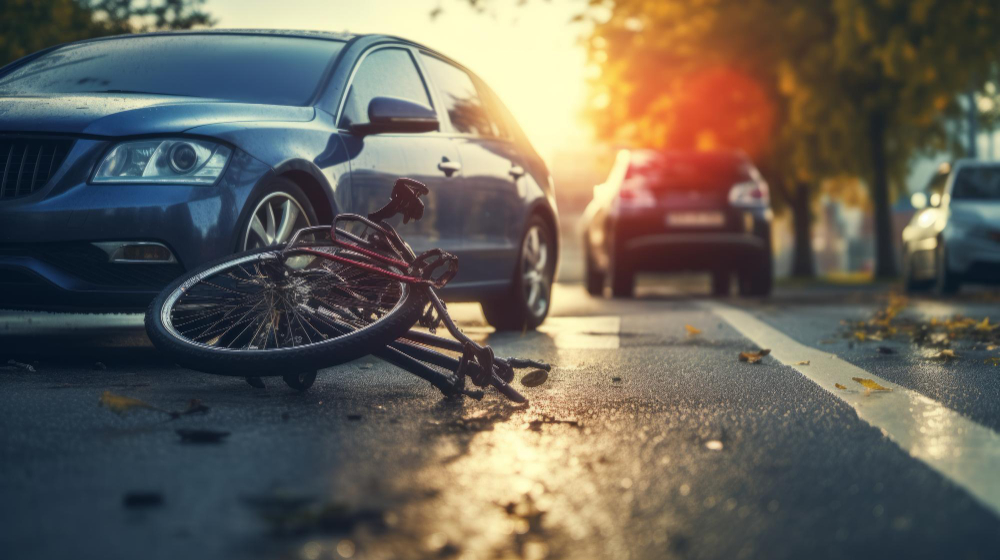
You can also pursue your personal injuries claim* through the MIBI if the other party leaves the scene without giving you their details: for example, if you are injured in a car accident* where the other vehicle does not stop or gives you false details. It is essential that you immediately report the accident to the Gardaí so that everything possible can be done to identify the other driver. This also applies to a pedestrian or cyclist who suffered personal injuries* in hit and run accidents.
Contact Our Road Traffic Accident Solicitors
If you have been injured in a road traffic accident, contact our personal injury solicitors to discuss your circumstances.
Whether you were a driver, passenger, cyclist, motorcyclist or pedestrian, we can advise you on the options available to you.
Our road traffic accident solicitors will investigate the circumstances of the accident, obtain the relevant evidence and assess whether there may be grounds to pursue a road traffic accident claim on your behalf.
In contentious business, a solicitor may not calculate fees or other charges as a percentage or proportion of any award or settlement